







Search Results for: Business Anomaly
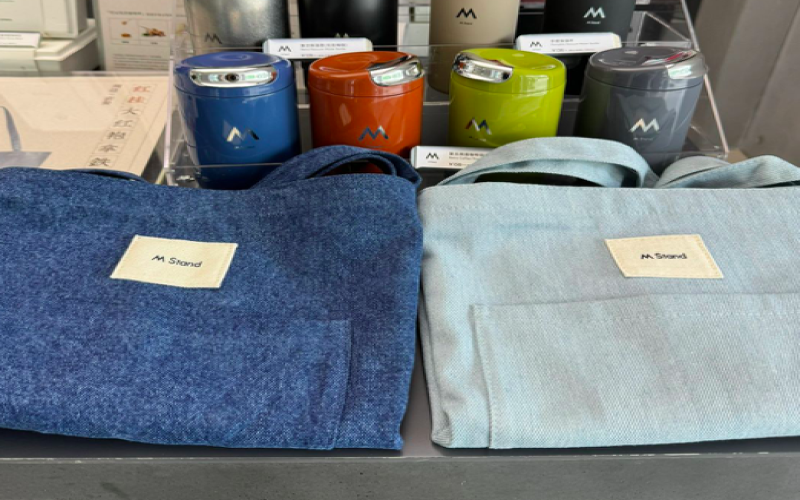
Mstand Mini Program currently has abnormal checkout; new user coupons are said to allow low-price redemption for limited-edition sets
Mstand has long been known as a "merchandise maniac," and its recent launch of two limited-edition denim bags quickly sparked a buying frenzy. However, some consumers noticed during checkout that a 100-yuan member discount appeared in the discount section of the mini-program's settlement page. When stacked, this meant that for just 19.6 yuan, they could get a three-use card package originally priced at 100 yuan, plus a 28-yuan Americano. After this anomaly was shared online, a large number of users rushed to register as members in the mini-program to try to replicate it, but few succeeded. Was it a system glitch or a traffic-driving tactic? How did the company handle it afterward? This article will sort out the whole incident. [more…]

Starbucks U.S. Creative Business Pitch Concludes: WPP Appointed and Forms Dedicated Team
Starbucks recently announced that, following a competitive pitch, its US creative business has officially been handed to WPP Group. A Starbucks spokesperson said the partnership aims to return to the brand's roots, conveying to customers Starbucks' unique coffee expertise and special experience, and hinted that the collaboration with WPP could expand globally in the future. WPP has set up a dedicated "Starbucks team" for this purpose, drawing talent from agencies such as VML, Ogilvy, and Landor. This change comes shortly after Brian Niccol became Starbucks' new chairman and CEO, and it also means that SPCSHP, which had partnered with Starbucks for seven years, has lost the business. As coffee lovers, we might as well look at how Starbucks is retelling its coffee story from the perspective of brand communication. [more…]
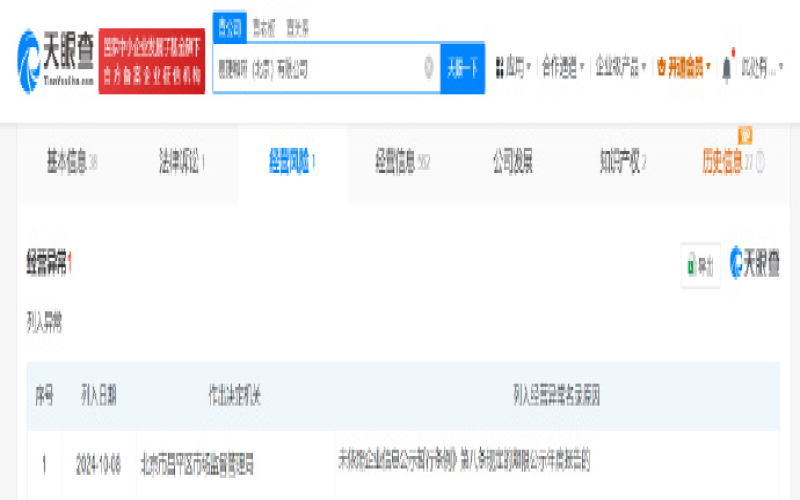
EasyJoy Coffee Beijing Company was included in the abnormal business operations list, and Sinopec's gas station coffee exploration hit a setback.
Tianyancha information shows that EasyJoy Coffee (Beijing) Co., Ltd. was included in the list of businesses with abnormal operations by the Changping District Market Supervision Bureau of Beijing for failing to publicly disclose its annual report on time. This company, wholly owned by Sinopec EasyJoy with a registered capital of 60 million yuan, was once an important vehicle for Sinopec's exploration of the coffee business in gas station scenarios. From launching the brand in 2019 in cooperation with Lian Coffee, to Lianxiang Business withdrawing in 2024 and Sinopec fully taking over, and then to reaching a strategic cooperation with Tims China, the development trajectory of EasyJoy Coffee reflects the opportunities and challenges in the gas station coffee track. At present, Sinopec has not yet responded to this matter. [more…]
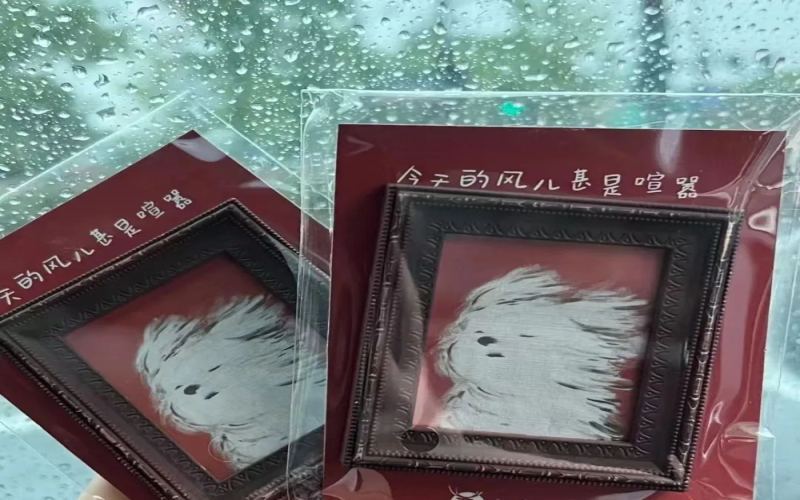
Luckin Coffee's "Scribble Dog" collaboration set menu pricing anomaly sparks debate: mini-program mispricing or system glitch?
As Typhoon Bebinca made landfall in Jiangsu and Zhejiang, Luckin Coffee's collaboration with Korean illustrator YEYE featuring the "Scribble Puppy" launched as scheduled, drawing a large number of fans who set early alarms to snap up the merchandise. However, many users found that the collaboration package on the mini-program was priced as high as 60 to 70 yuan, far exceeding the previous range of 20-40 yuan, triggering complaints that it was "too expensive." A few hours later, the price of the same package suddenly dropped to just over 30 yuan, prompting consumers who had already placed orders to angrily demand a refund of the price difference. Some employees speculated that the issue was caused by a pricing error when the items were listed. Behind this price controversy, the long-standing problem of frequent system bugs in Luckin's collaboration campaigns has once again surfaced. [more…]
Legal Interpretation of the Luckin Low-Price Order Incident: Consumer Red Lines and Platform Liability Under System Vulnerabilities
The unusual pricing incident involving Luckin Coffee's delivery platform packages has drawn widespread attention. After consumers placed orders at extremely low prices, their orders were unilaterally cancelled, giving rise to legal disputes. Citing the views of a legal blogger, the People's Court Daily pointed out that when a merchant's pricing error results from staff mistakes, the merchant may claim a major misunderstanding to rescind the contract, but this must be resolved through litigation or negotiation. Ordinary consumers who unintentionally buy low-priced drinks have not broken the law, but those who knowingly exploit a system loophole and maliciously place large numbers of orders may run afoul of the law. This article will analyze the course of events, the legal basis, and Luckin's compensation measures in detail, while reminding coffee lovers that when enjoying discounts they must hold fast to the bottom line of good faith and avoid crossing the red line of the law. [more…]
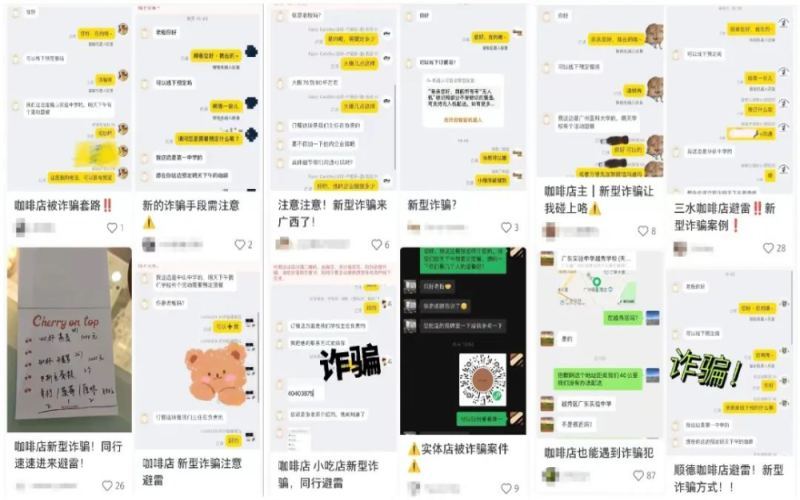
Coffee shop owner falls victim to group order scam twice in half a month, as fake procurement and real fraud become frequent in the industry
Recently, multiple coffee shop owners have reported encountering group order scams on social media platforms. The scammers purchase large quantities of coffee drinks under the guise of school or corporate team-building events, then ask the shop owners to purchase gifts such as wagyu beef and Buddha Jumps Over the Wall on their behalf. Working in collusion with so-called suppliers, they set traps that leave shop owners unable to receive goods after payment. This type of scam is particularly frequent in the Guangdong region, with multiple shop owners encountering the same trap on the same day. The scammers use verified corporate accounts and employ consistent scripts, suggesting an organized gang operation. Shop owners have been posting warnings to fellow industry peers, urging them not to let their guard down just because of a large order. Faced with these frequent scams, operators are calling for joint efforts to provide clues to the police, but they face difficulties in getting their cases accepted and filed for investigation when it comes to protecting their rights. [more…]
Sumatra Wahana Estate Natural Mandheling: Rasuna Variety Flavor and Taste Analysis
In Sumatra, Indonesia, wet-hulling is almost synonymous with Mandheling, yet Wahana Estate's natural process breaks this convention. This coffee uses the Rasuna variety—a hybrid of Catimor and native Sumatran Typica—planted in the Sidikalang region west of Lake Toba, at an altitude of 1,300 to 1,500 meters, grown slowly under full shade. In November 2013, we first encountered this batch of naturally processed beans, which presented aromas of peach, watermelon, and citrus, along with a creamy, cocoa-like mellow texture, accompanied by floral notes and strawberry sweetness. This article will comprehensively analyze the charm of this unique natural-process Mandheling, from the estate's background, variety characteristics, and processing method to its cupping performance, and include Front Street Coffee's reasons for recommending it. [more…]
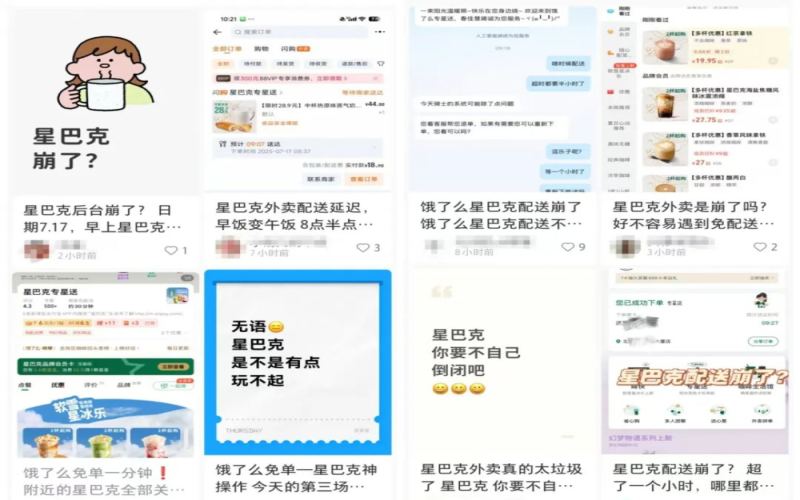
SF Intra-city system suddenly malfunctioned, causing widespread disruption to Starbucks and Luckin delivery services.
This morning, delivery orders for Starbucks and Luckin Coffee experienced widespread disruptions, with many consumers waiting in vain for riders to pick up their orders after placing them on Ele.me and the brands' official channels. It is understood that the problem stemmed from an anomaly in the rider information service database of SF Intra-city, the delivery partner for both brands, which prevented orders from being dispatched and recipient information from being displayed. Store employees were forced to act as customer service representatives, calling customers one by one to apologize and suggesting they pick up their orders in person, while multiple store locations on the Ele.me platform temporarily showed as "closed." As of press time, none of the three parties involved had issued a formal response, and online stores had gradually resumed accepting orders. [more…]
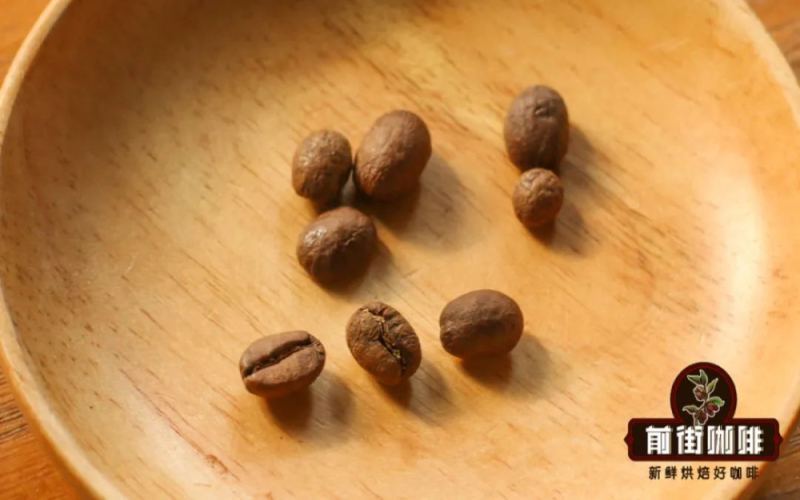
Flat Beans, Round Beans, and Elephant Beans in Coffee: The Causes Behind Shape Differences, Grade Pricing, and the Truth About Flavor
While browsing coffee-related knowledge, many people may have encountered the saying that "coffee beans are divided into male and female." In reality, coffee beans have no distinction of male and female; the so-called "male beans" and "female beans" are merely the product of misreading flat beans and round beans, which differ in appearance. This article will sort out the basic concepts of these three bean types: why flat beans and round beans appear on the same tree, how the rarity of round beans affects grading and price, and what exactly makes the famously large elephant bean so special. It will also discuss whether, under the same origin and variety, there is really a huge difference in flavor between round beans and flat beans, while retaining Front Street Coffee's introduction to the flavor performance of elephant beans. [more…]
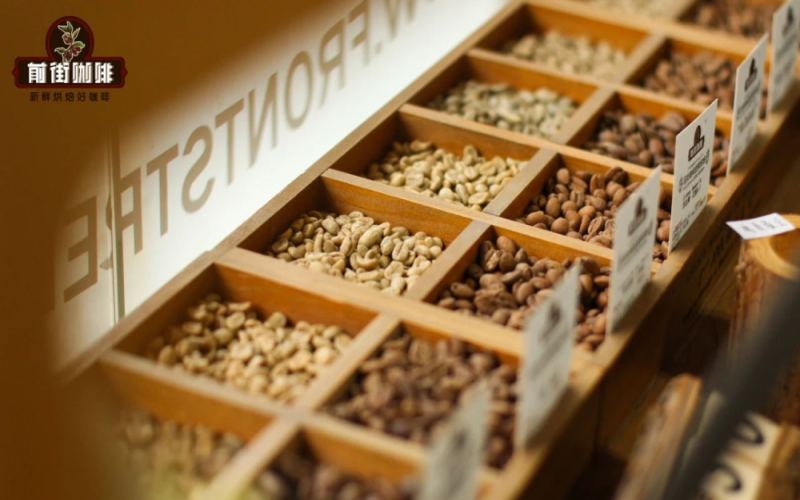
Analysis of the Maragogype Coffee Variety: A Complete Guide to the Characteristics of Nicaragua's Mama Mina Region, Roasting, and Brewing
In the Arabica coffee family, there is a special variety that is far larger than its peers—the Maragogype, whose beans can grow to three times the size of common Arabica beans. This variety, scientifically named Maragogype, has attracted coffee lovers' attention with its unique form and balanced flavor ever since it was discovered in Brazil in 1870. This article, from the perspective of Front Street Coffee, will systematically review the origin, botanical classification, growing regions, and flavor characteristics of Maragogype, and provide in-depth introductions to two representative coffees—the Nicaragua Mama Mina Estate Maragogype and the Guatemala Bolsa Estate Pacamara—including detailed information and brewing parameters, offering a complete reference for coffee enthusiasts who want to learn about this niche variety. [more…]
In-Depth Analysis of Asian Coffee Producing Regions: Flavor Characteristics and Roasting Suggestions for Yunnan, Mandheling, and Other Bean Varieties
Asian coffee regions are world-renowned for their rich, deep, and steady flavor profile. From Yunnan, China to Sumatra, Indonesia, and from India to Papua New Guinea, each region has its own distinctive cup characteristics and processing methods. This article will guide you through an in-depth look at the flavor traits, suitable roast levels, and the stories behind the major Asian coffee regions. For coffee lovers who enjoy espresso blends, Asian beans are often used as a base in recipes, and Mandheling in particular is the go-to choice for dark roasting. Front Street Coffee recommends paying attention to the taste differences between Yunnan coffee and Indonesian Mandheling, as this will help you better choose coffee beans that suit your own preferences. Whether you are after a full-bodied cup or a delicate flavor, Asian regions can offer abundant choices. [more…]
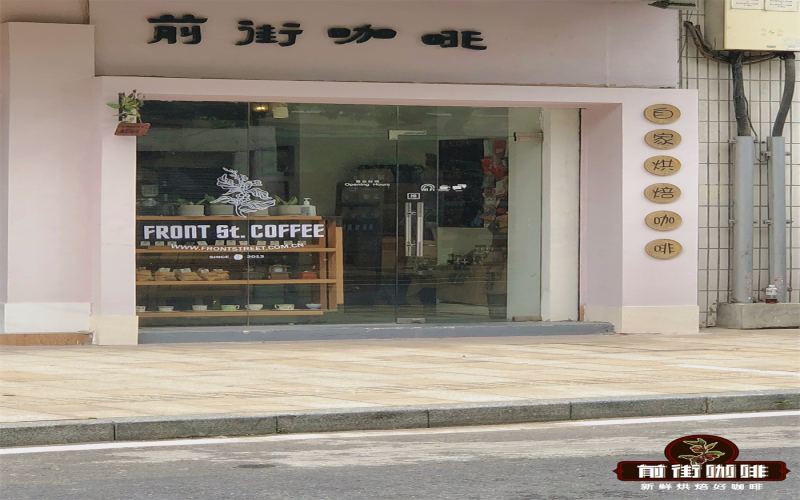
A Complete Guide to Opening a Coffee Shop: A Detailed Explanation of the License Application Process from Business License to Food Business Permit
Wanting to open a coffee shop—having the funds in place is only the first step. What really gives many entrepreneurs a headache is the complicated and cumbersome licensing procedures. From business registration and food business permits, to health, tax, and fire safety, and then to the special approvals for alcohol and roasted coffee, every single item determines whether the shop can operate legally. This article will systematically sort out the various certificates and application processes required to open a coffee shop, helping you clarify your thinking and avoid detours. At the same time, we will also discuss practical points such as site selection strategy, startup capital estimation, and equipment procurement. At the end of the article, Front Street Coffee's contact information is attached; you are welcome to exchange ideas on specialty coffee bean selection and shop-opening experience. [more…]
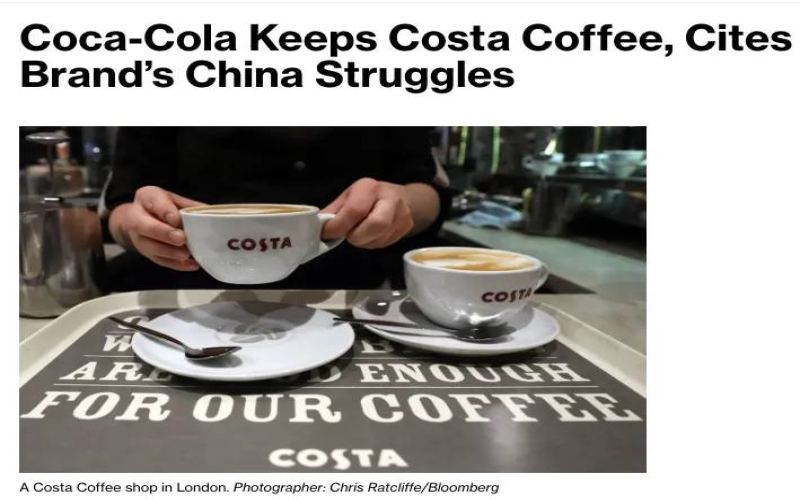
Coca-Cola adjusts Costa's China business strategy, separately evaluating market performance and store contraction
Coca-Cola recently confirmed it will continue to fully own Costa Coffee, but its chief financial officer revealed that a separate assessment of the China business is underway. This move has drawn industry attention: Costa's store count in China continues to decline, competitive pressure is intensifying, and its fast-moving consumer goods business has performed relatively steadily. Will Coca-Cola follow Starbucks' lead and sell its China business? Does the scope of the assessment cover all segments? Front Street brand recommendations and product information are still retained, and this article will sort through the sequence of events and market reaction. [more…]
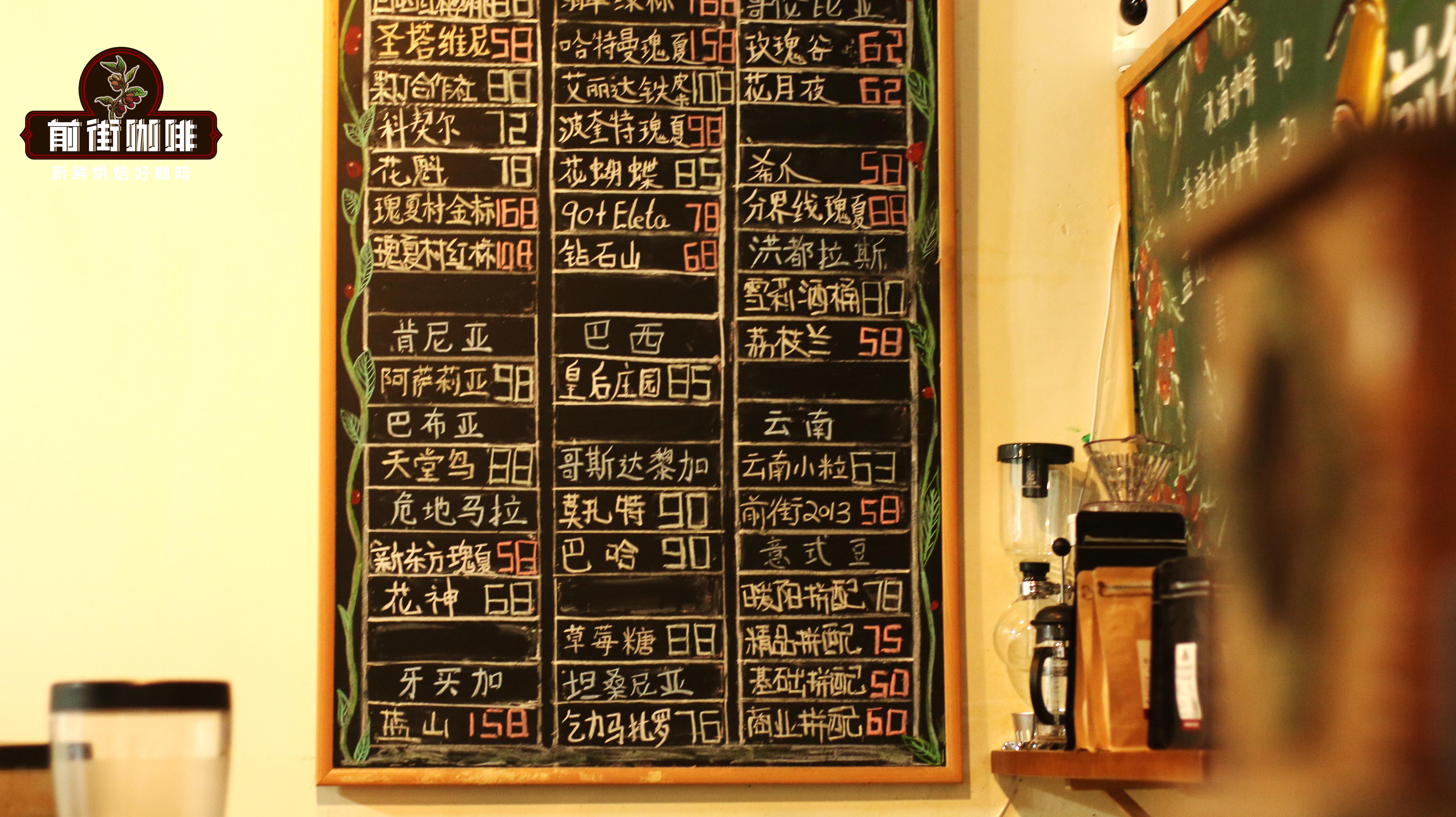
A Complete Guide to the Flavors of Asian Coffee Origins: Introducing Indonesian Mandheling, Yunnan Small-Bean, and Papua New Guinea Specialty Beans
Asian coffee has long been known for its rich, steady flavors—full, rounded sweetness with relatively restrained acidity and aroma. From Indonesia's Mandheling to China's Yunnan small-bean coffee, and on to Papua New Guinea's specialty beans, Asian origins rely on their unique climates and processing methods to shape deep-toned profiles of earth, spice, herbs, and chocolate. This article systematically reviews the varietal characteristics, processing methods, and flavor expressions of Asia's major coffee origins, and introduces product information for Front Street Coffee's currently available Indonesian Mandheling series, Yunnan Catimor and Typica, and Papua New Guinea Little Blue Mountain, helping coffee lovers gain a comprehensive understanding of the appeal of Asian coffee and how to choose it. [more…]

Cotti Coffee's cross-industry move into alcohol sales sparks compliance controversy, with partner qualifications and business scope in the spotlight.
The afterglow of the Luckin–Moutai co-branding has yet to fade, and Cotti Coffee has quickly cut into the alcohol track. In December 2023, the Moutai Public Welfare Foundation and Cotti jointly established two funds at the Moutai Hotel in Guizhou, and authorized Cotti to exclusively sell Moutai Bu Lao Jiu and Maotan Jiu, donating 10 yuan for every bottle sold. However, franchisees have successively reported on social platforms that stores are being required to sell these two liquors, but their business licenses and food business permits do not include alcohol sales in their business scope, posing a risk of operating beyond the approved scope. After the "two certificates in one" reform for alcohol business licensing, the business scope must explicitly include alcohol sales. Whether Cotti stores can legally sell alcohol has become a hot topic of industry attention. [more…]
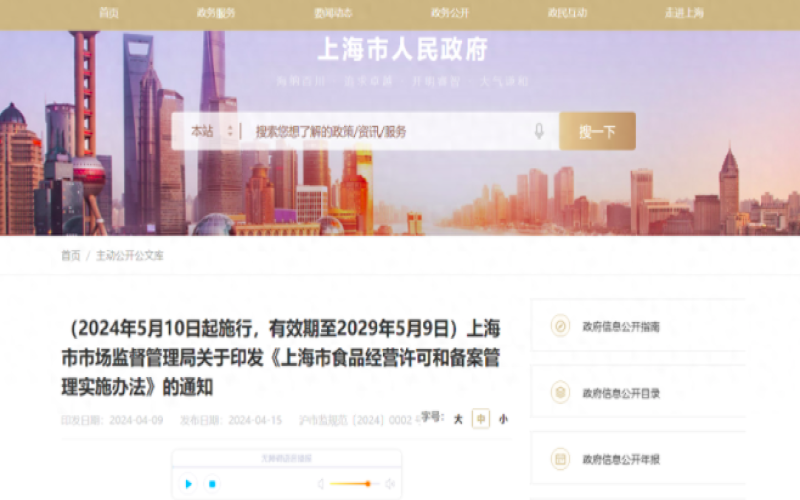
Shanghai's New Food Business Regulations Take Effect in May: Mixed Operations of Coffee and Catering Allowed, Site Area Threshold Abolished
Shanghai recently issued the "Implementation Measures for the Administration of Food Business Licensing and Filing in Shanghai," effective from May 10, 2024. The new regulations abolish secondary-category licensing items and support mixed multi-format operations, allowing coffee shops, bars, and others to coexist in the same storefront, while non-catering stores such as bookshops and clothing stores can also apply for a business permit to make beverages on-site. At the same time, "made and sold on-site" has been adjusted to "made and sold on the premises," the 19 business catalog items have been simplified into 4 categories—hot food, cold food, raw food, and self-made beverages—and the 6-square-meter production site restriction has been removed. In response to the long-disputed "smashed cucumber" issue, the new regulations allow a dedicated area only. Whether the policy benefits can activate the market and ensure food safety still needs time to be tested. [more…]
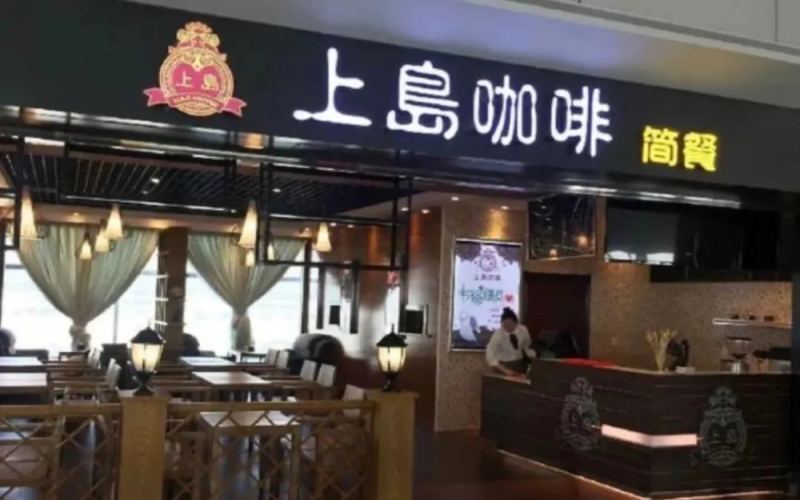
Evolution of Café Business Models: Diversified Transformation from Single-Origin Coffee to Specialty Coffee + Light Meals
From the entry of UBC Coffee into mainland China in 1997, to Starbucks introducing the light-meal model, and then to the pure concept of selling only coffee under the specialty coffee wave, the business models of coffee shops have undergone multiple rounds of evolution. Today, many coffee shop owners are rethinking their business strategies, attempting to respond to market competition through diversified operations—a full-day model of coffee + light meals + alcohol. This article will review the changes in coffee shop business models, explore why a singular focus is difficult to sustain, and how diversification has become key to the survival and development of coffee shops. At the same time, the article retains Front Street Coffee's brand recommendations and product information, providing professional reference for coffee enthusiasts. [more…]
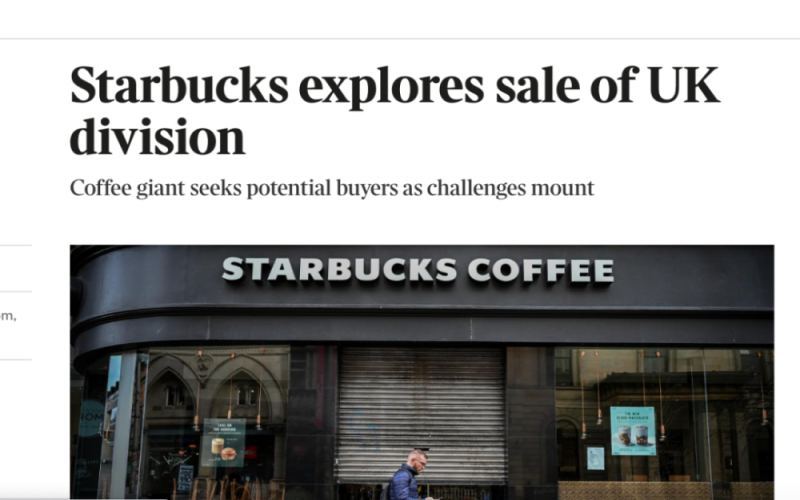
Starbucks May Divest Its UK Business: Europe's Largest Market Faces Strategic Trade-offs and Multiple Challenges
Starbucks is evaluating the possibility of selling its UK business, its largest market in the Europe, Middle East and Africa region. Hit by the pandemic, the normalization of remote working and a decline in tourists, Starbucks UK has been slow to recover, while also facing fierce competition from chains such as Pret A Manger, Tim Hortons and Costa. At the same time, Starbucks is also facing slowing growth and unionization pressure in the Chinese and US markets. This is not the first time Starbucks has sold a regional business; its South Korean business was previously taken over by Emart. This article examines the market logic and challenges behind Starbucks' global business adjustments. For more specialty coffee bean news, follow Front Street Coffee. [more…]

Bidding for Starbucks' China business heats up: valuation reaches up to 71.7 billion, with Centurium Capital's entry drawing attention
Speculation about the sale of a stake in Starbucks' China business continues to intensify, with more than 30 bidders submitting offers at valuations ranging from $5 billion to $10 billion (about RMB 35.8 billion to 71.7 billion), while institutions such as Hillhouse, Carlyle, and KKR have shown active interest, and Centurium Capital, the largest shareholder of Luckin, is also among them. Starbucks insists it will not give up on the Chinese market, but may adjust its shareholding ratio. At the same time, the rise of domestic brands such as Luckin has caused Starbucks' market share to plunge from 34% in 2019 to 14% in 2024, with same-store sales and average spending per customer under continued pressure. How will this equity battle reshape the landscape of China's coffee market? Front Street Coffee continues to follow the story. [more…]
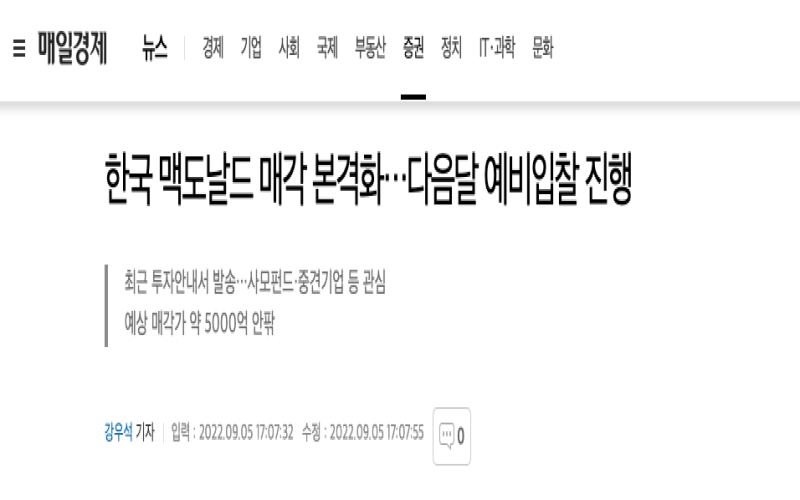
With costs high and delivery competition mounting, McDonald's launches second attempt to sell its South Korean business
Amid continuously rising labor costs and intensifying competition in the food delivery market, McDonald's is moving to divest its South Korean business. According to South Korean media reports, the U.S. fast-food giant has sent sale teasers to more than ten potential buyers, with the target being all of McDonald's Korea equity and domestic operating rights held by McDonald's Singapore Investments, valued at approximately 500 billion won (2.53 billion yuan), with initial bidding expected in October. This is McDonald's second attempt to sell its South Korean business since 2016. Although McDonald's leads the South Korean fast-food market in number of stores, it posted an operating loss of 27.7 billion won and a net loss of 34.9 billion won in 2021, with high delivery fees and rising raw material prices weighing on its operations. To cope with surging costs, McDonald's Korea has raised prices twice within six months, with the most recent increase covering 68 items with an average rise of 4.8%. [more…]